

Neuropsychological Asessment
Our Areas of Expertise:
Memory and other cognitive concerns, including normal age-related changes versus mild cognitive impairment or dementia, or those related to, head injury, Long-Covid, autoimmune disease, or other medical factors.
Neurological disorders, such as head trauma, multiple sclerosis, brain tumor, and epilepsy.
Neurodevelopmental disorders, such as ADHD, Learning Disorders, and Autism Spectrum Disorder.
Accommodations for academics, high-stakes examinations, and in the workplace.
What to expect during an evaluation?
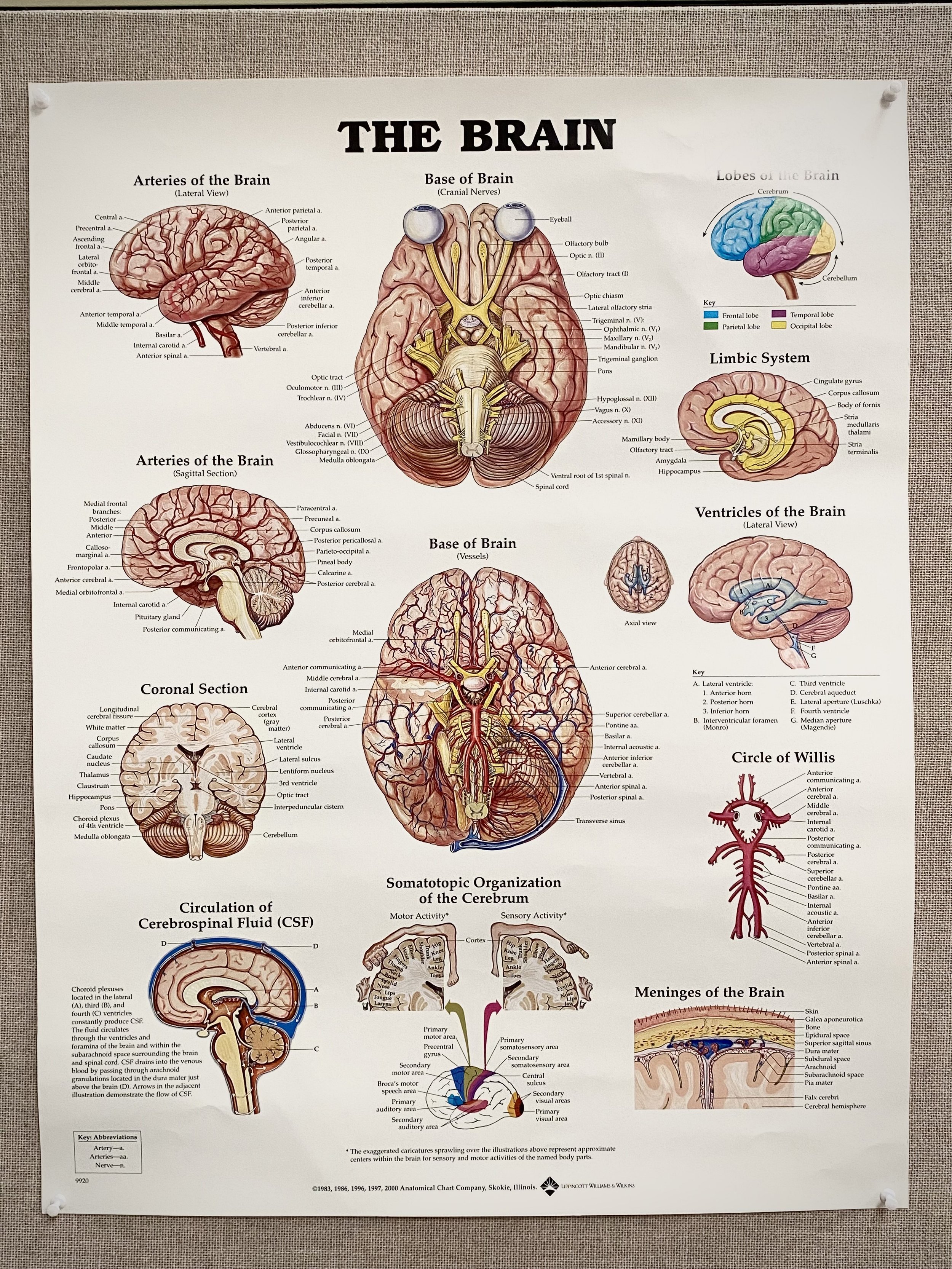
A neuropsychological assessment is a comprehensive evaluation of cognitive, emotional, and behavioral functioning.
Here’s what you can expect:
Initial Interview: We start with an hour-long clinical interview to understand your concerns, medical history, and background. This is typically done virtually, but can also be conducted in-person.
Testing: You’ll complete a series of paper-and-pencil and computer-based tasks at our office that assess memory, attention, language, problem-solving, and other skills. This can take anywhere from 2 to 6 hours, depending on your needs (testing for academic needs is the lengthiest)
Feedback Session: Once testing is complete, we’ll schedule a feedback session to review results, answer questions, and provide recommendations.
Report: You'll receive a detailed, easy-to-understand report summarizing the assessment findings, diagnoses (if appropriate), and other recommendations.
What are the goals of neuropsychological assessment?
Identify cognitive strengths and weaknesses across areas such as attention, executive functioning, memory, language, processing speed, visual-spatial abilities, and problem-solving skills.
Evaluate how the brain is functioning and determining whether cognitive concerns are consistent with a neurological, developmental, psychiatric, medical, or other underlying condition.
Clarify diagnoses and differential diagnoses when symptoms overlap or when the cause of difficulties is unclear. Evaluations can help distinguish among conditions such as ADHD, learning disorders, autism spectrum disorder, traumatic brain injury, dementia, mood disorders, anxiety, and other neurological or psychiatric conditions.
Determine factors that may be contributing to cognitive or emotional difficulties, including medical conditions, neurological injury or illness, developmental history, psychiatric symptoms, sleep problems, medication effects, stress, or other life circumstances.
Identify changes in cognitive functioning over time, including declines, improvements, or areas of stability, and comparing current performance to expected levels based on age, education, and background.
Assess the real-world impact of cognitive challenges on daily functioning, including academic performance, workplace effectiveness, independent living skills, social relationships, driving, and other activities of daily life.
Provide objective information to guide treatment planning, helping individuals, families, and healthcare providers make informed decisions regarding care and support services.
Determine eligibility for accommodations and services in educational, workplace, medical, or other settings when appropriate.
Establish a baseline for future comparison, which can be particularly valuable when monitoring recovery, disease progression, treatment response, or age-related cognitive changes.
Develop personalized recommendations to maximize functioning and quality of life. Recommendations may include medical treatment, therapy, cognitive rehabilitation, academic or workplace accommodations, compensatory strategies, educational planning, and community resources.
A neuropsychological evaluation goes beyond simply identifying a diagnosis. It seeks to understand how an individual thinks, learns, remembers, and functions in everyday life. By highlighting both strengths and areas of difficulty, the evaluation provides a roadmap for intervention, support, and future planning tailored to each person's unique needs and goals.
Fresh Pond Neuropsychology complies with applicable Federal civil rights laws and does not discriminate or exclude people or treat patients differently on the basis of age, race, color, creed, national origin, ethnicity, religion, marital status, disability, citizenship, medical condition, sex (including pregnancy, sexual orientation, gender identity, and sex characteristics) or any other basis prohibited by federal, state, or local law.